



Dennis Allen and Jennifer Cushnie: Long Time Climate Crusaders
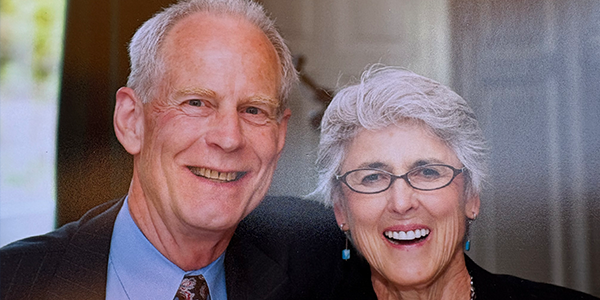
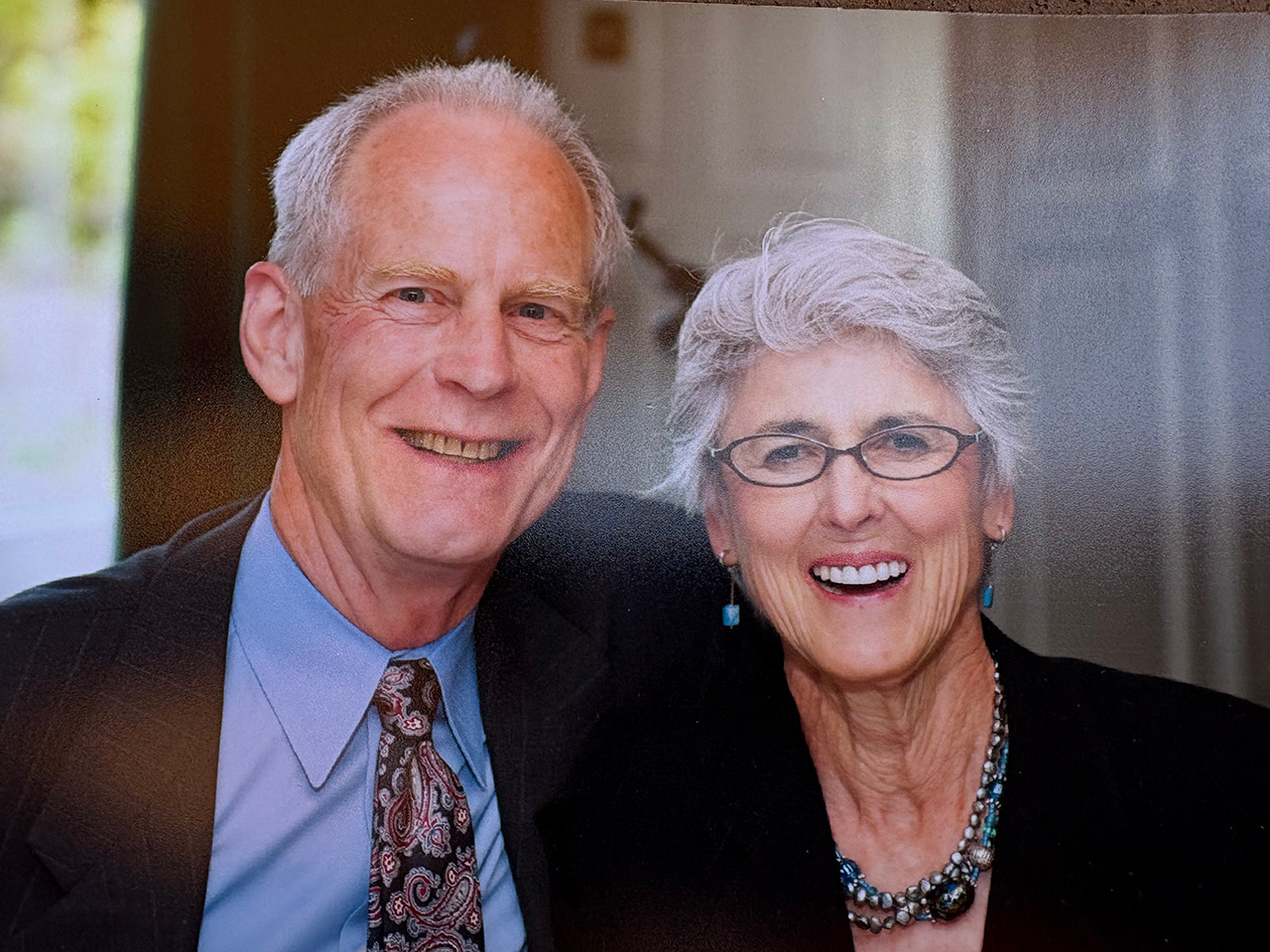
The Community Environmental Council (CEC) is honored to feature Dennis Allen and Jennifer Cushnie, members of CEC's Livable World Legacy Society who have devoted much of their lives to supporting and practicing principles of sustainability, particularly around clean energy. In this Q&A, Dennis and Jennifer describe why climate action is important to them, and how they have facilitated local on-the-ground change for decades. Their story is inspiring, and makes us proud to call the California Central Coast our organizational home.
Q: How did you originally hear about/get involved with CEC?
A: We got acquainted with CEC through Paul Relis. Andre, his son, and Rene, our son, were born six weeks apart 50 years ago. We took Lamaze natural childbirth classes together. I built Paul's solar house about that same time. In 1975 I was a frequent participant in CEC's El Mirasol farm/garden where I learned to build solar thermal panels. In 1984, our company built the Gildea Resource Center, a demonstration building showcasing many innovative green features and some of the very first solar photovoltaic panels. Later still, in 2001, we transformed the ranger's house at Arroyo Burro Beach into CEC's Watershed Resource Center. Although I have had many involvements with CEC through the years, it wasn't until around 2007 that I joined the board. This was the period when the organization shifted its focus to climate change. The slogan became "Fossil free by thirty-three." I served on the board for seven years with a two year stint as board president. Also in 2007 I was deeply involved with local architects and CEC to create an energy reach code for Santa Barbara County based on Ed Mazaria's 2030 challenge, and it became the first such reach code in the US.
Q: Why do climate change and climate action matter to you?
A: Jenny and I try to live our lives as caretakers of the environment. We believe that humans, as well as many other creatures, can only survive if we have a healthy ecosystem. Addressing climate is central to our lives and to the existential future of our society. We live in a LEED platinum all-electric structure, eat mostly vegetarian food from our local farmers markets, and walk or bike to do most of our errands.
Q: What do you love most about Santa Barbara, and what do you hope we can do to make the region more resilient into the future?
A: Santa Barbara is not only a beautiful place, sandwiched between the ocean and the mountains, but also a thriving community with a dynamic civic spirit and vital lifestyle. CEC needs to continue to focus on renewable energy, both through influencing regional policies as well as promoting solutions through hands-on projects. CEC - and all of us - should intensify our efforts around making buildings greener, transportation more sustainable, and our consumption less impactful. One specific initiative that we feel should get more attention is expanding our local native plantings and tree canopies to help mitigate rising temperatures.
Q: What inspired your legacy gift to CEC? What elements of our work speak to you most?
A: Our home is CEC because of its focus on climate and environmental issues. I am impressed by how CEC has in recent years bridged the environmental-agricultural divide, taken on environmental justice issues in the most vulnerable communities, and tackled the future shape of our community-especially in regards to climate resilience (for example, incorporating ecological principles for the revitalization of downtown Santa Barbara).
Q: What would you tell people who are considering leaving a legacy gift to CEC?
A: I would tell prospective legacy donors that they would be joining a nurturing, supportive, diverse group of people who find positive, hopeful ways of responding to challenges that often seem overwhelming and depressing.